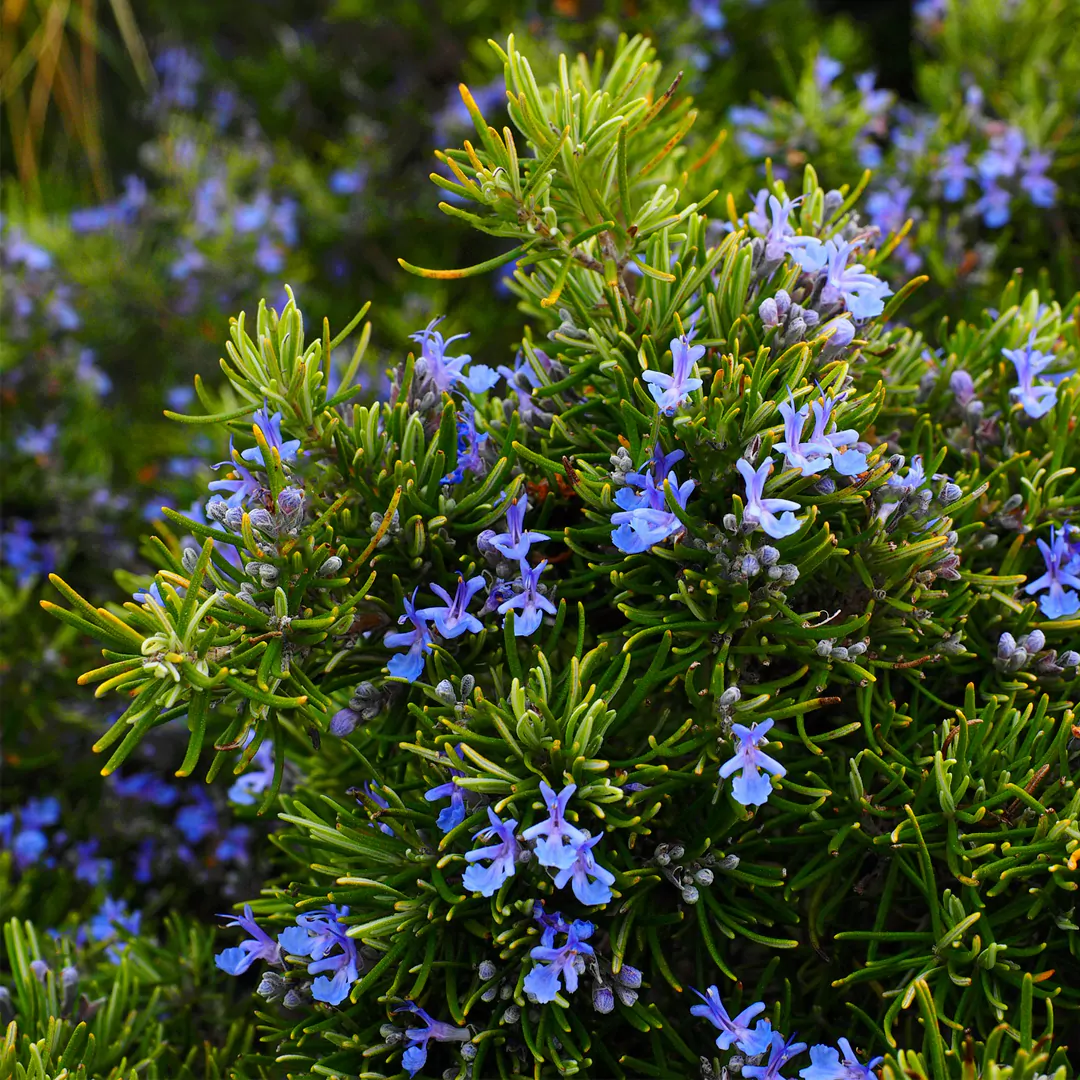
Root and Canopy The Premier Network for Holisic Homesteaders Your Voice Matters! Comment, discuss, and be part of the dialogue. Vote Now Home / Herb, Shrub ,Evergreen, Medicinal Plant Facts Foliage Persistence: Evergreen Sexual Expression: Bisexual (perfect flowers) Lifespan: 20–30 years under favorable conditions Growth Rate: Moderate to fast Life Cycle: Perennial shrub Pollination: Insect-pollinated (mainly bees and hoverflies) Bloom Period: Late winter to early summer (varies by climate) Uses & Toxicity Practical Uses: Commonly used as a culinary herb, for flavoring meats, breads, and oils. Essential oil used in perfumery, cosmetics, and aromatherapy. Wood historically burned as incense in Mediterranean temples. Medicinal Uses: Traditionally used to improve memory, stimulate circulation, and relieve digestive issues. Modern studies link rosemary’s bioactive compounds—rosmarinic acid, carnosol, and carnosic acid—to antioxidant, antimicrobial, and neuroprotective effects (Pérez-Fons et al., 2010; de Oliveira et al., 2016). Toxicity: Non-toxic in culinary doses. Concentrated essential oil may cause dermatitis or seizures if ingested in large quantities. History & Folklore Historical Notes: Used since antiquity for ritual purification and remembrance. The ancient Greeks dedicated rosemary to Aphrodite and used it to improve memory; Roman brides wore it in wreaths. Medieval Europeans burned rosemary to ward off plagues and evil spirits. Symbolism: Represents remembrance, fidelity, and protection. Still used in weddings and funerals as a symbol of memory and devotion. Similar Species & Look-alikes Lavender (Lavandula angustifolia) – similar aroma, broader leaves, less resinous. Sage (Salvia officinalis) – broader gray-green leaves, less upright growth. Key References Pérez-Fons, L., Garzón, M. T., & Micol, V. (2010). Relationship between the antioxidant capacity and effect of rosemary (Rosmarinus officinalis L.) polyphenols on membrane phospholipid order. Food Chemistry, 123(2), 484–491. de Oliveira, J. R., et al. (2016). Antimicrobial activity of Rosmarinus officinalis essential oil against multi-drug resistant strains. Phytotherapy Research, 30(4), 789–795. Lis-Balchin, M., & Hart, S. (1999). Studies on the mode of action of the essential oil of rosemary. Phytotherapy Research, 13(6), 540–542. USDA NRCS. (2023). Salvia rosmarinus (rosemary) Plant Guide. Taxonomy Kingdom: Plantae Subkingdom: Tracheobionta Superdivision: Spermatophyta Division: Magnoliophyta Class: Magnoliopsida (Dicotyledons) Subclass: Asteridae Order: Lamiales Family: Lamiaceae (Mint Family) Genus: Salvia L. Species: Salvia rosmarinus Spenn. (formerly Rosmarinus officinalis L.) Etymology: Rosmarinus derives from Latin ros (“dew”) and marinus (“of the sea”), meaning “dew of the sea,” referring to its preference for coastal habitats. The current accepted taxonomy places it within Salvia following genetic reclassification. Common Names: Rosemary, Compass Plant, Dew of the Sea Morphology and Structure Overall Shape: Dense, bushy, upright to sprawling shrub with woody base and aromatic foliage. Mature Height: 1–2 m (3–6 ft) Mature Spread: 1–1.5 m (3–5 ft) Stem: Woody, square in cross-section (typical of mint family), becoming gray and fissured with age. Leaves: Opposite, simple, linear to narrowly lanceolate (2–4 cm long), thick and leathery; dark green above, whitish and tomentose beneath; strongly aromatic when crushed. Flowers: Small, two-lipped, blue to violet (occasionally white or pink), borne in short axillary racemes; calyx persistent; corolla bilabiate with exserted stamens. Fruit: Four smooth, brown nutlets per flower typical of Lamiaceae; small and inconspicuous. Management & Propagation Propagation: By semi-hardwood cuttings (spring/summer), layering, or seed (low germination rate). Pests/Diseases: Occasionally affected by powdery mildew, root rot (in poor drainage), aphids, and spider mites.Generally pest-resistant due to aromatic oils. Management: Prune regularly to maintain shape and prevent woodiness. Avoid overwatering; excellent drainage essential. Ecology and Habitat Habitat: Native to Mediterranean scrublands and rocky coastal slopes; thrives in sunny, dry habitats. Soil Preference: Well-drained, sandy or loamy soils; prefers slightly alkaline pH (6.5–8.0). Water Requirements: Low; drought-tolerant once established. Sun Requirements: Full sun (minimum 6–8 hours daily). Temperature Needs: Hardy to USDA Zones 8–11 (−5 to +35 °C). Tolerances: Highly drought- and heat-tolerant; sensitive to frost and waterlogging. Establishment: Rapid under warm, dry conditions; slow in cool or humid environments. Range: Native to the Mediterranean Basin; widely cultivated globally as an ornamental and culinary herb. Conservation Status: Not threatened; naturalized in many warm regions worldwide. Ecological Benefits Pollinator plant supporting bees, hoverflies, and butterflies. Companion plant repelling pests such as cabbage moth and carrot fly. Drought-tolerant landscaping species aiding soil stabilization in arid zones. Source of nectar during early spring for pollinator continuity. The Premier Network for The Holistic Homesteader Unlock Premium Content! Sign up for our premium membership today. Get It Now Top Posts All Posts Annual Arboriculture Botany Field Guide Flowering Grains Grass Homestead Horticulture Lifestyle Mycology Perennial Shrub Tree Back Plant Biology Plant Identification Pedology Planting & Transplanting Pruning Plant Diagnostics Plant Treatment Tree Risk Assessment Safe Climbing & Rigging Forest Management Back Herb Little Bluestem (Schizachyrium scoparium) by Patrick L. Kimble-December 10, 2025Read More… Forest Resource Inventory & Data Collection Methodologies by Patrick L. Kimble-December 10, 2025Read More… Better Understanding Your Soils Nutriet Cycle: The Key to Healthier Plants by Patrick L. Kimble-November 27, 2025Read More… American Plum by Patrick L. Kimble-November 27, 2025Read More… Cornelian Cherry Dogwood by Patrick L. Kimble-March 11, 2025Read More… Newsletter Unlock Premium Content! Sign up for our premium membership today. Get It Now Field Guide Trees Shrubs Herbs Grasses Grains Flowering Categories Annuals Perrenials Herbs Grasses Grains New Page New Page Sub Title Tags New Page 1 First Sub Title New Page 2 Second Sub Title New Page 3 Third Sub Title Archive New Page 1 First Sub Title New Page 2 Second Sub Title New Page 3 Third Sub Title Free PDF New Page 1 First Sub Title New Page 2 Second Sub Title New Page 3 Third Sub Title 2 Comments American Persimmon – rootandcanopy.netDecember 9, 2025 at 11:18 am | Edit […] Cornelian Cherry Dogwood […] Reply Mr. Judd Turcotte MDMarch 4, 2025 at 5:24 pm | Edit Ea odit et ipsam. Nihil ex occaecati soluta unde. Sunt consequatur voluptas aut omnis Corrupti perferendis sit accusamus ab. sequi velit aut Mollitia a labore Eveniet earum tempore iste iste qui sint. qui quam ut id. Possimus nulla sint est blanditiis. aut enim sed cupiditate dignissimos reiciendis. Quis voluptatem cupiditate consequatur qui atque. Accusamus nostrum qui explicabo Eaque facilis sint
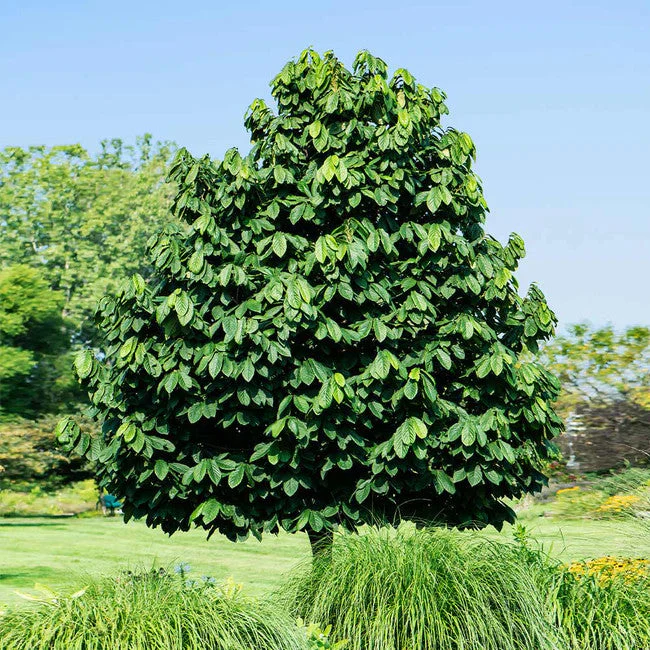
Paw Paw
Root and Canopy The Premier Network for Holisic Homesteaders Your Voice Matters! Comment, discuss, and be part of the dialogue. Vote Now Home / Field Guide, Shrub ,Edible Fruit, Native Roots Tree Facts Foliage Persistence: Deciduous Sexual Expression: Perfect to partially self-incompatible; cross-pollination enhances fruit set Lifespan: Typically 40–60 years; some individuals up to 80 years Growth Rate: Moderate Life Cycle: Perennial Pollination: Insect-pollinated, mainly by flies and beetles (sapromyophily) Bloom Period: Mid to late spring (April–May) Ecology and Habitat Habitat: Understory tree in rich, mesic hardwood forests, floodplains, and ravines Soil Preference: Moist, well-drained, slightly acidic to neutral soils Water Requirements: Moderate; tolerates short-term flooding Sun Requirements: Full sun to partial shade (fruiting best in full sun) Temperature Needs: Hardy to USDA Zones 5–8 (−25 to +32 °C) Tolerances: Drought-tolerant once established; sensitive to prolonged flooding and salinity Establishment: Slow-growing initially; spreads clonally via root suckers Range: Eastern and Midwestern U.S. — from New York to Florida, west to Nebraska and Texas Conservation Status: Least Concern (IUCN); stable populations Management & Propagation Propagation: By seed (requires cold stratification 90–120 days at 4°C), root suckers, or grafting for superior cultivars Pests/Diseases: Resistant to most pests; minor issues include pawpaw peduncle borer and zebra swallowtail larvae (host species) Management: Prefers partial shade when young; pruning rarely needed except for shape and air circulation Uses & Toxicity Practical Uses: Edible fruit used in desserts, ice cream, and brewing; wood used locally for tool handles and small crafts Medicinal Uses: Traditional uses include treatment for fever and lice; bark and seeds contain annonaceous acetogenins with antitumor potential Toxicity: Unripe fruit and seeds contain acetogenins which can be toxic if ingested in quantity History & Folklore History/Folk Lore: Consumed by Indigenous peoples and early settlers; Thomas Jefferson cultivated pawpaw at Monticello. Lewis and Clark’s expedition noted pawpaw as a vital food source. Symbolism: Represents self-reliance and hidden value—modest tree, exceptional fruit. Similar Species & Look-alikes Similar Species: Asimina parviflora (small-flowered pawpaw) — smaller leaves and flowers. Lookalikes: Young black gum (Nyssa sylvatica) or persimmon (Diospyros virginiana)—distinguished by pawpaw’s large tropical-like leaves. Key References: Callaway, M. B. (1990). The Pawpaw — Asimina triloba (L.) Dunal. University of Kentucky. Peterson, R. N. (1991). HortScience, 26(5), 431–435. Layne, D. R. (1996). Pawpaw (Asimina triloba): A new fruit crop for temperate regions. Fruit Varieties Journal, 50(1), 64–68. Pomper, K. W. et al. (2009). Pawpaw: A “tropical” fruit for temperate climates. HortTechnology, 19(2), 454–459. Hartmann, H. T., & Kester, D. E. (2011). Plant Propagation: Principles and Practices. Kral, R. (1960). A Revision of Asimina and Deeringothamnus (Annonaceae). Brittonia, 12(4), 233–278. Taxonomy Kingdom: Plantae Subkingdom: Tracheobionta Superdivision: Spermatophyta Division: Magnoliophyta Class: Magnoliopsida (Dicotyledons) Subclass: Magnoliidae Order: Magnoliales Family: Annonaceae (Custard-apple family) Genus: Asimina Adans. Species: Asimina triloba (L.) Dunal Etymology: The genus name Asimina is derived from the Native American (probably Miami-Illinois) word assimin meaning “pawpaw” or “false banana.” The species epithet triloba refers to the plant’s three-lobed calyx or trifoliate leaf arrangement. Other Common Names: American papaw, pawpaw, paw-paw, Custard Apple, Appalachian banana, Dog banana. Morphology and Structure Overall Shape: Pyramidal to rounded in youth; spreading crown with age Mature Height: 15–30 ft. (4.5–9 m), occasionally up to 40 ft. (12 m) Mature Spread: 10–20 ft. (3–6 m) Mature Trunk Diameter: Up to 12 in. (30 cm) Bark: Smooth and gray-brown when young, becoming slightly fissured with age Leaves: Simple, alternate, oblong to obovate (15–30 cm long); emit a distinct yeasty odor when crushed; bright green above, paler beneath; yellow in fall Buds: Naked, brown, conical Twigs: Brown, stout, with rusty pubescence when young Flowers: Solitary, maroon to dark purple, 2–5 cm diameter; three sepals, six petals; malodorous to attract pollinators Bloom Time: April–May Pollination: Insect (flies, beetles) Fruit: Large, fleshy berry; soft custard-like pulp with several brown seeds Fruit Shape: Obovate to cylindrical, 5–15 cm long Fruit Color: Green turning yellow or brownish at maturity Fruit Maturation: Late summer to early fall (August–October) The Premier Network for The Holistic Homesteader Unlock Premium Content! Sign up for our premium membership today. Get It Now Top Posts All Posts Annual Arboriculture Field Guide Flowering Grains Homestead Horticulture Lifestyle Mycology Perennial Tree Back Plant Biology Plant Identification Pedology Planting & Transplanting Pruning Plant Diagnostics Plant Treatment Tree Risk Assessment Safe Climbing & Rigging Forest Management Back Herb Shrub Grass Little Bluestem (Schizachyrium scoparium) by Patrick L. Kimble-December 10, 2025Read More… Forest Resource Inventory & Data Collection Methodologies by Patrick L. Kimble-December 10, 2025Read More… Rosemary by Patrick L. Kimble-November 27, 2025Read More… Better Understanding Your Soils Nutriet Cycle: The Key to Healthier Plants by Patrick L. Kimble-November 27, 2025Read More… American Plum by Patrick L. Kimble-November 27, 2025Read More… Newsletter Unlock Premium Content! Sign up for our premium membership today. Get It Now Field Guide Trees Shrubs Herbs Grasses Grains Flowering Categories Annuals Perrenials Herbs Grasses Grains New Page New Page Sub Title Tags New Page 1 First Sub Title New Page 2 Second Sub Title New Page 3 Third Sub Title Archive New Page 1 First Sub Title New Page 2 Second Sub Title New Page 3 Third Sub Title Free PDF New Page 1 First Sub Title New Page 2 Second Sub Title New Page 3 Third Sub Title
