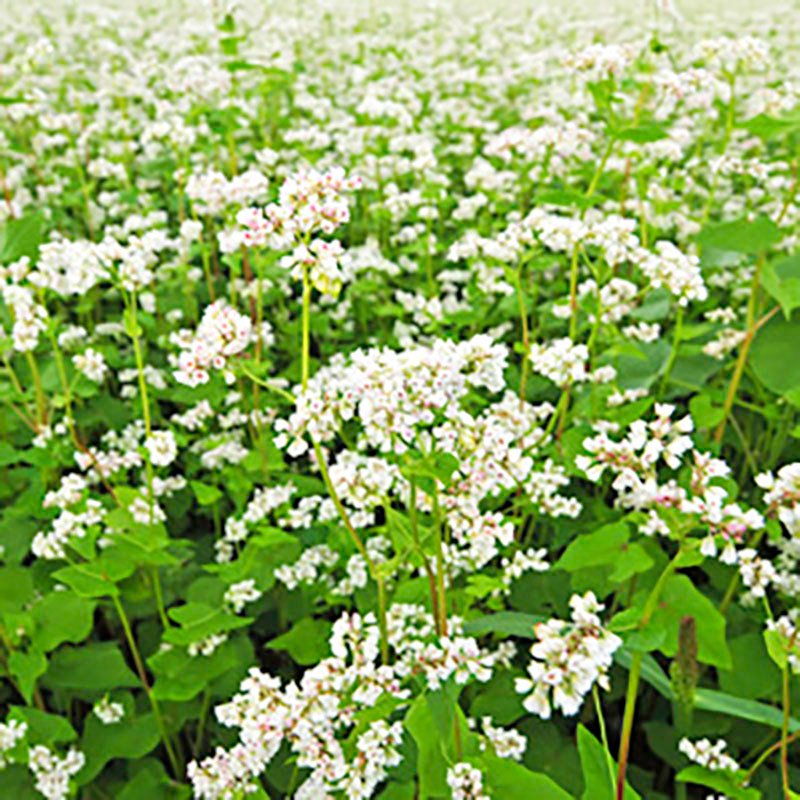
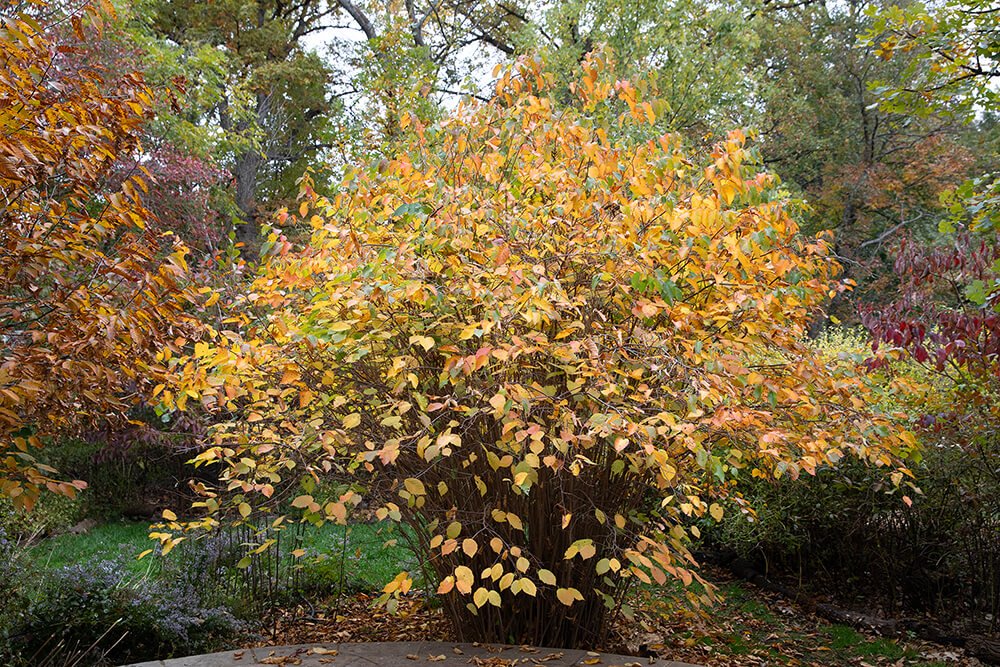
American Hazelnut
Root and Canopy The Premier Network for Holisic Homesteaders Your Voice Matters! Comment, discuss, and be part of the dialogue. Vote Now Home / Field Guide, Shrub ,Food Source, Native, Perennial Tree FactsFoliage Persistence: Deciduous Sexual Expression: Monoecious (male and female flowers on the same plant) Lifespan: Typically 40–60 years; colonies can persist longer through root suckering [Dirr, 2009] Growth Rate: Moderate Life Cycle: Perennial Pollination: Wind-pollinated (Anemophilous) Bloom Period: Early spring (February–April, before leaf emergence) Uses & Toxicity: Practical Uses: Edible nuts eaten raw, roasted, or ground into meal; used in confections and baking. Wood suitable for small crafts, tool handles, and basketry. Commonly planted for wildlife habitat and erosion control [Molnar et al., 2010]. Medicinal Uses: Used historically by Indigenous peoples as a food source and for medicinal tonics. Leaves and nuts contain polyphenols and antioxidants with potential health benefits [Peachey et al., 2020]. Toxicity: Non-toxic to humans and most animals; may cause allergic reactions in individuals sensitive to tree nuts. History & Folklore: History/Folk Lore: Used by Indigenous tribes such as the Ojibwe and Cherokee for food and medicine; recorded by early European settlers as a key wild nut species [Furlow, 1990]. Symbolism: Associated with wisdom, hidden knowledge, and abundance in folklore; hazelnuts represented fertility and protection in Native and European traditions. Similar Species & Look-a-likes: Similar Species: Corylus cornuta (Beaked Hazelnut) — distinguished by its long tubular husk extending beyond the nut. Lookalikes: Alnus incana (Speckled Alder) — differs in bud shape and catkin structure. Key References Furlow, J. J. (1990). The Genera of Betulaceae in the Southeastern United States. Journal of the Arnold Arboretum, 71(1), 1–38. Dirr, M. A. (2009). Manual of Woody Landscape Plants. Stipes Publishing. Molnar, T. J., et al. (2010). Hybrid Hazelnut Development for Eastern North America. Acta Horticulturae, 845, 125–134. Peachey, E. T., et al. (2020). Nut Quality and Blight Resistance in Native Hazelnuts. HortScience, 55(7), 1001–1009.USDA NRCS. (2024). Corylus americana Walt. Plants Database Profile. Taxonomy Kingdom: Plantae Subkingdom: Tracheobionta Superdivision: Spermatophyta Division: Magnoliophyta Class: Magnoliopsida (Dicotyledons) Subclass: Hamamelididae Order: Fagales Family: Betulaceae (Birch family) Genus: Corylus L. Species: Corylus americana Walt. Etymology: The genus name Corylus derives from the Greek korylos or korys, meaning “helmet,” referring to the leafy husk that encloses the nut. The species epithet americana signifies its widespread range across North America. Other Common Names: American Filbert, Wild Hazel, Native Hazelnut Morphology and Structure Overall Shape: Rounded, multi-stemmed shrub forming dense thickets. Mature Height: 6–15 ft (2–5 m) Mature Spread: 8–12 ft (2.5–4 m) Mature Trunk Diameter: N/A (multi-stemmed form) Bark: Thin, gray-brown, smooth on young stems, becoming slightly scaly and exfoliating with age. Leaves: Simple, alternate, broadly ovate to nearly round (6–12 cm long) with doubly serrated margins and acuminate tips. Upper surface dark green and rough; underside paler and softly pubescent. Fall color yellow to coppery brown. Buds: Rounded to blunt, brown, with overlapping scales. Twigs: Slender, light brown to gray, softly hairy, solid pith. Flowers: Male catkins (4–8 cm) develop in late summer, overwinter, and release yellow pollen in early spring before leaf-out. Female flowers are small buds with protruding red stigmas, appearing on the same branchlets.Flower Size: Catkins 4–8 cm; female flowers <5 mm. Bloom Time: Late winter to early spring (February–April). Pollination: By wind.Fruit: A round to ovoid nut (1.5–2 cm diameter) enclosed in a leafy, fringed husk about twice the nut’s length; borne in clusters of 2–6. Fruit Shape: Spherical to ovoid. Fruit Color: Green, turning tan to brown when mature. Fruit Maturation: Late summer to early fall (August–October). Management & Propagation Propagation: By seed (requires cold stratification for 90–120 days at 4 °C), root suckers, or layering; also propagated vegetatively for cultivar improvement [USDA NRCS, 2024]. Pests/Diseases: Susceptible to Eastern Filbert Blight (Anisogramma anomala), aphids, and filbert weevil (Curculio obtusus); generally tolerant of other pests. Management: Low-maintenance; prune to shape and enhance nut production. Tolerant of coppicing and resprouting after disturbance. Ecology and Habitat Habitat: Forest edges, thickets, slopes, and open woodlands; common in early to mid-successional habitats. Soil Preference: Well-drained loams or sandy loams; slightly acidic to neutral (pH 6.0–7.0). Water Requirements: Moderate; drought-tolerant once established. Sun Requirements: Full sun to partial shade; best nut production in full sun. Temperature Needs: Hardy to USDA Zones 4–9 (−34 to +35 °C / −30 to +95 °F). Tolerances: Drought, moderate shade, poor soils; intolerant of waterlogging. Establishment: Readily regenerates via root suckers; forms colonies after disturbance. Range: Eastern and Central North America — from Maine and Quebec west to Saskatchewan, and south to Georgia, Oklahoma, and Kansas [Furlow, 1990]. Conservation Status: Least Concern (IUCN); populations stable. Ecological Benefits: Important wildlife food source for squirrels, deer, turkeys, and grouse. Dense growth offers nesting cover and soil stabilization. The Premier Network for The Holistic Homesteader Unlock Premium Content! Sign up for our premium membership today. Get It Now Top Posts All Posts Annual Arboriculture Botany Field Guide Flowering Grains Grass Herb Homestead Horticulture Lifestyle Mycology Perennial Shrub Tree Back Plant Biology Plant Identification Pedology Planting & Transplanting Pruning Plant Diagnostics Plant Treatment Tree Risk Assessment Safe Climbing & Rigging Forest Management Purple Passion Flower by Patrick L. Kimble-December 12, 2025Read More… Youpon Holly by Patrick L. Kimble-December 12, 2025Read More… Joseph’s Coat by Patrick L. Kimble-December 12, 2025Read More… Red Amaranth by Patrick L. Kimble-December 12, 2025Read More… Buckwheat by Patrick L. Kimble-December 12, 2025Read More… Newsletter Unlock Premium Content! Sign up for our premium membership today. Get It Now Field Guide Trees Shrubs Herbs Grasses Grains Flowering Categories Annuals Perrenials Herbs Grasses Grains New Page New Page Sub Title Tags New Page 1 First Sub Title New Page 2 Second Sub Title New Page 3 Third Sub Title Archive New Page 1 First Sub Title New Page 2 Second Sub Title New Page 3 Third Sub Title Free PDF New Page 1 First Sub Title New Page 2 Second Sub Title New Page 3 Third Sub Title Leave a Reply Cancel reply Logged in as Patrick L. Kimble. Edit your profile. Log out?
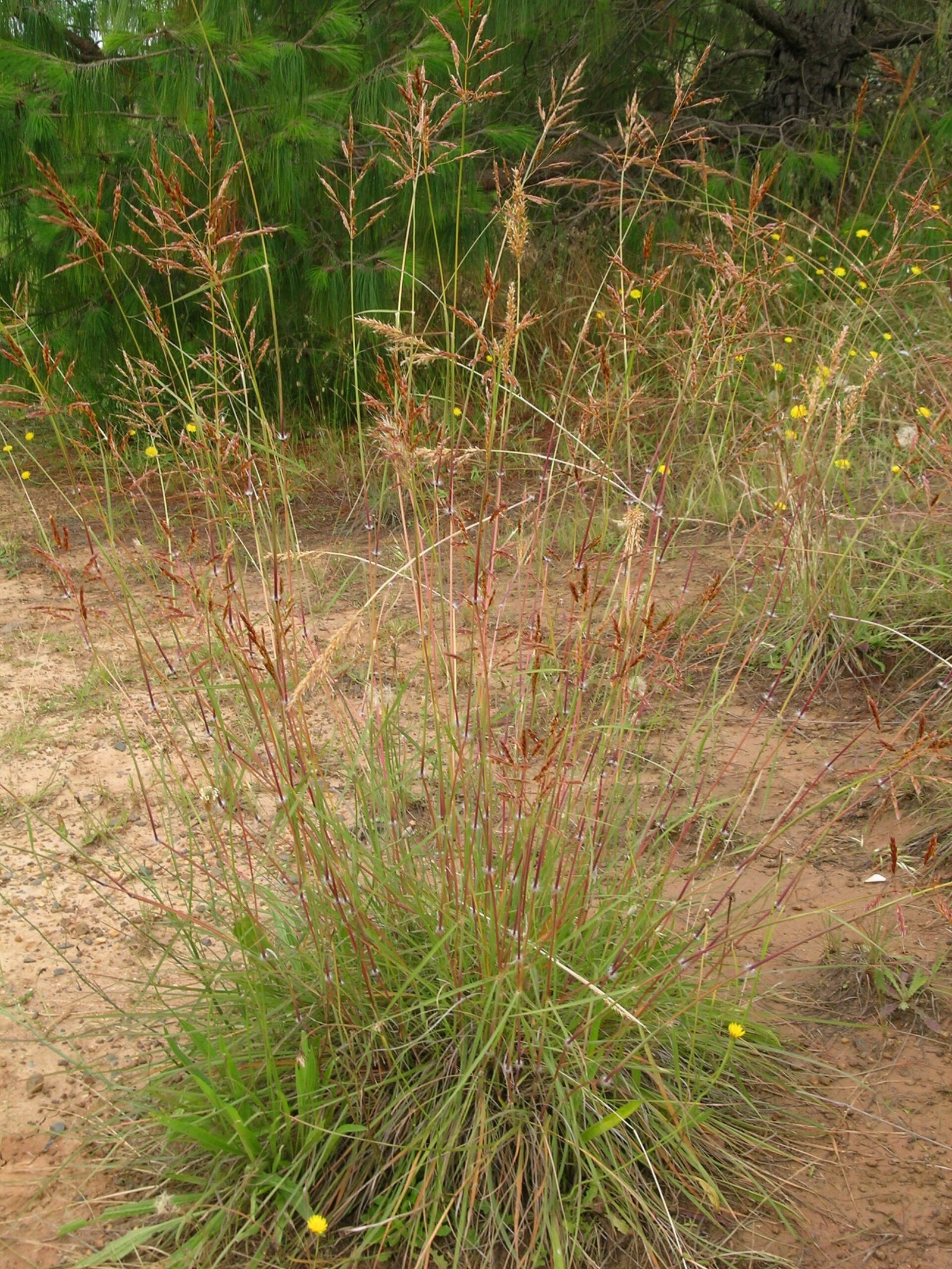
Sorghum leiocladum
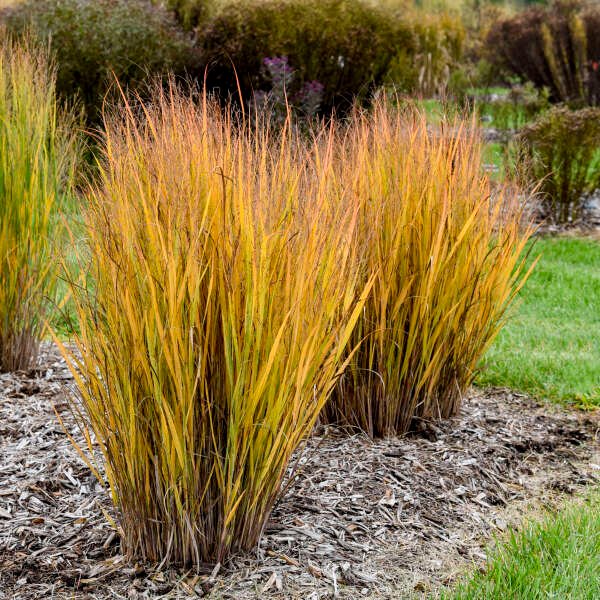
Switchgrass (Panicum virgatum)
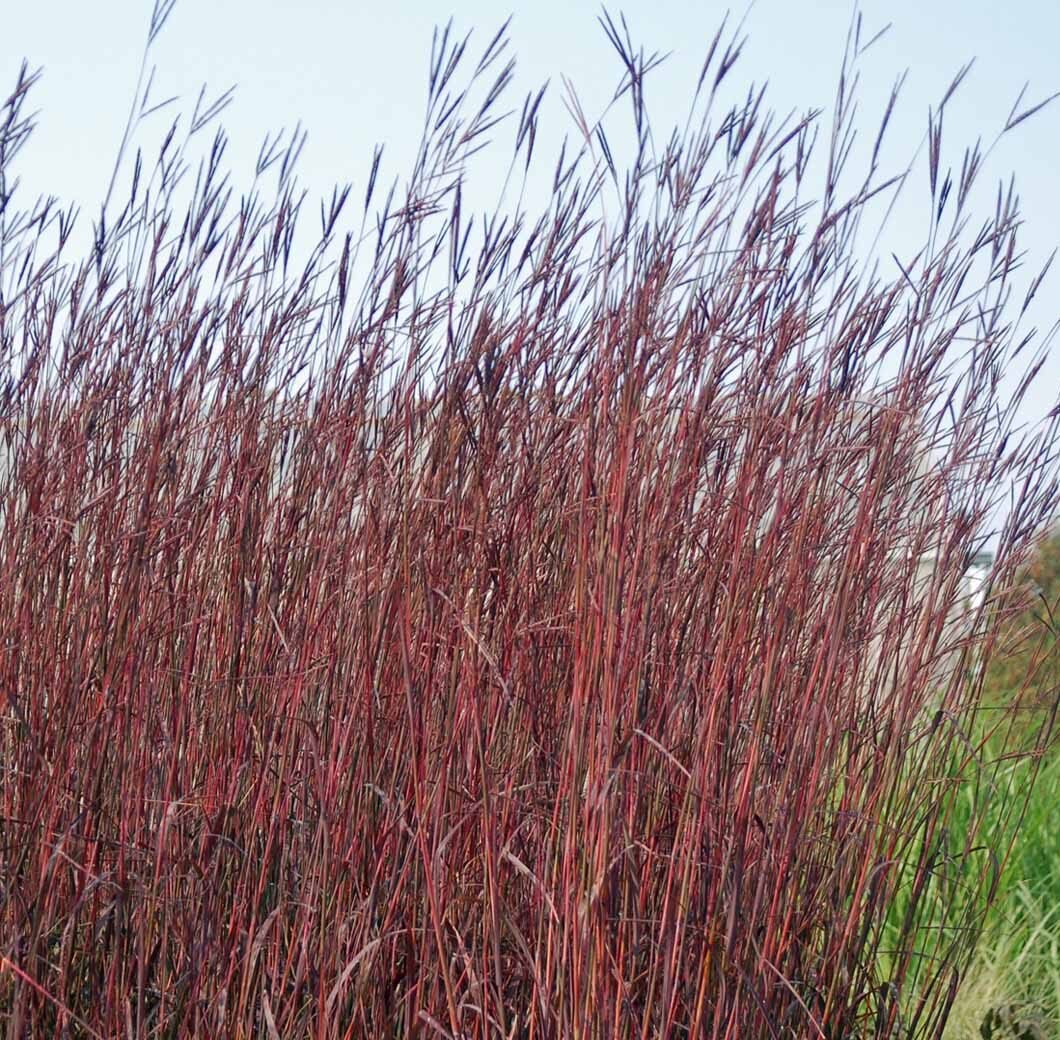
Big Bluestem (Andropogon gerardii)
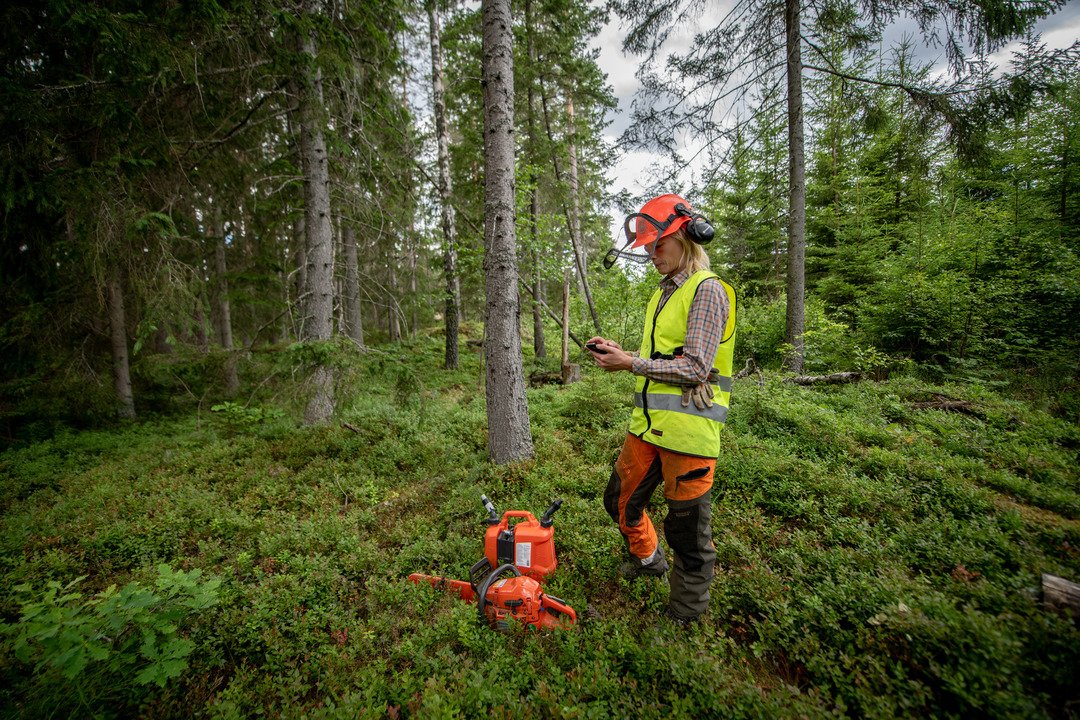
Forest Resource Inventory & Data Collection Methodologies
Centuries-old methods for forest resource inventory, combined with modern technological advances, allow today’s arborists and land stewards to measure, assess, and manage forests with remarkable accuracy. Whether the goal is professional data collection for urban forestry or simple monitoring of a homestead woodlot, understanding these methodologies forms the foundation for informed decision-making. This lesson walks through several key inventory approaches—beginning with traditional, ground-based methods and progressing toward advanced, technology-assisted techniques. 1. Complete Census (100% Inventory) The complete census is the most thorough approach to forest inventory. Every individual tree within a defined area is identified, measured, and assessed. Data typically include species, size, health condition, and maintenance needs, along with precise location mapping—often supported by GPS tools or mobile mapping applications. Because it measures every tree, this method provides the highest precision possible. It is best suited for urban forests, arboreta, and small conservation sites where detailed data are essential for long-term management. However, it is also the most labor-intensive and costly method, making it impractical for large areas. 2. Sample Inventory When complete coverage isn’t feasible, sample inventories provide reliable estimates by measuring representative portions of a forest. Data collected from sample plots are then extrapolated to describe the larger stand. Common variations include: Sample inventories strike a balance between precision and practicality, making them suitable for large tracts of land or homestead forests where general trends are more important than exact counts. 3. Management Zone Inventory The management zone inventory divides land into functional or ecological zones—such as conservation, recreation, and production areas. Each zone is inventoried and managed according to its specific goals and characteristics. This method is valuable for precision management and integrates well with tools like GIS mapping and soil data. It is particularly effective for landowners and managers who want to tailor practices to different parts of a property rather than applying one uniform approach. 4. Variable-Radius (Angle Count) Sampling Variable-radius sampling, often known as the Bitterlich method, uses an angle gauge or prism to determine which trees are counted in a plot. A tree’s inclusion depends on its size and its distance from the plot center. This method is fast and widely used for estimating basal area and stand volume, especially in operational forestry. It offers efficiency without sacrificing too much accuracy, making it a useful tool for both professionals and advanced homesteaders managing woodlots for timber or firewood production. 5. Remote Sensing-Based Inventory Modern technology has greatly expanded how forest resources can be assessed. Remote sensing uses satellite imagery, LiDAR (Light Detection and Ranging), and drone-based photogrammetry to estimate canopy height, density, and biomass. Remote methods provide access to areas that are otherwise difficult to reach and can cover vast tracts of land quickly. When combined with ground-based verification, they deliver highly accurate data on forest condition and change over time. For the homesteader, even a small drone equipped with a basic camera can provide valuable insight into canopy health and land-use patterns. 6. Continuous and Permanent Plot Inventories For long-term monitoring, foresters use Permanent Sample Plots (PSPs) or Continuous Forest Inventory (CFI) systems. These plots are remeasured over time to track growth, mortality, regeneration, and the effects of management practices or climate change. While such systems are more common in research and professional forestry, the principle applies to any property—marking fixed points or trees and measuring them at regular intervals helps reveal trends in forest development and health. 7. Participatory Forest Inventory In a participatory inventory, local communities assist in collecting and validating data. This method is used worldwide in community forestry and sustainable development projects. It not only provides valuable data but also fosters stewardship by involving landowners and residents directly in resource management. Even in small-scale contexts, such as cooperative homesteading or neighborhood conservation projects, participatory methods can build shared understanding and investment in the health of local forests. Data Collection Focus Areas Regardless of which inventory method is used, data collection typically falls into three main categories: Tree Data, Site Data, and Management Data. 1. Individual Tree Data Each tree is evaluated for: These data points form the foundation of any arboricultural inventory. 2. Site Data Beyond the tree itself, site conditions determine long-term success. Site data include: This broader context helps explain why certain trees thrive while others struggle. 3. Management Data Inventory work also supports long-term planning through management data, such as: These records transform raw observations into actionable management plans. Conclusion Resource inventory methodologies form the backbone of modern arboriculture and sustainable land management. From the precision of a complete census to the efficiency of drone-based mapping, each approach serves a specific purpose. For apprentices, understanding these methods builds technical literacy and prepares them to select appropriate tools for professional practice. For homesteaders, the same knowledge empowers informed stewardship—helping them monitor tree health, plan maintenance, and protect the ecological balance of their land.
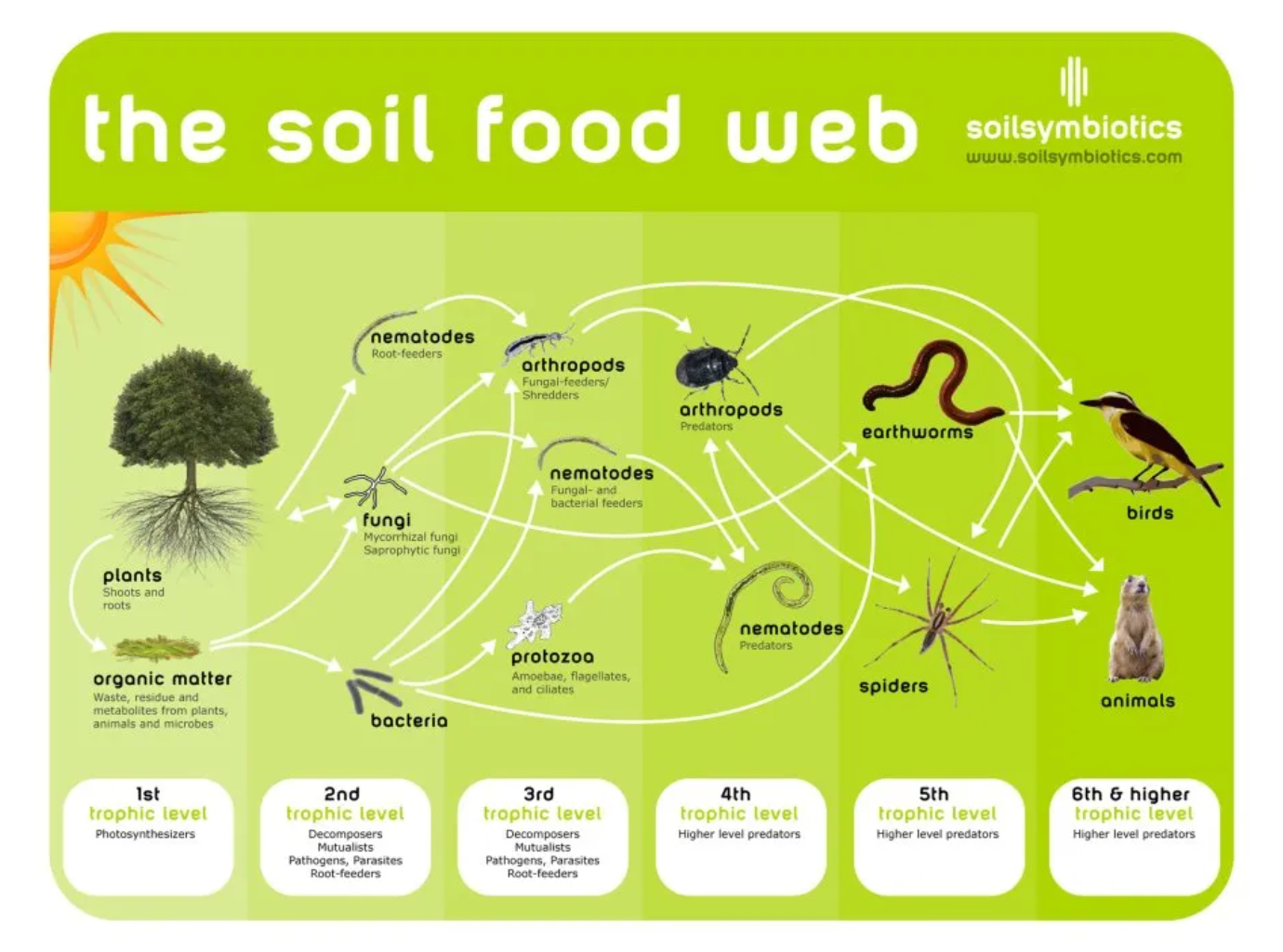
Better Understanding Your Soils Nutriet Cycle: The Key to Healthier Plants
Why Soil Nutrient Cycles Matter More Than You Think Healthy soil is the foundation of every thriving garden and farm. Understanding the soil nutrient cycle is like learning the secret language of your plants—it tells you how nutrients move, transform, and support growth. Without this balance, plants struggle to absorb the essential elements they need to flourish. A well-managed nutrient cycle not only enhances crop yield but also maintains the long-term fertility of your soil. This guide will help you achieve a better understanding of your soil’s nutrient cycle, from its natural processes to the best practices for maintaining a balanced, sustainable ecosystem beneath your feet. What Is the Soil Nutrient Cycle? Definition and Core Concepts The soil nutrient cycle refers to the natural movement and transformation of essential nutrients like nitrogen (N), phosphorus (P), and potassium (K) through the soil, plants, and environment. It’s a dynamic, self-sustaining system where nutrients are continuously recycled and reused. When this cycle functions efficiently, your soil remains fertile, and your plants grow stronger and healthier. The Role of Soil Organisms in Nutrient Cycling Soil microorganisms—such as bacteria, fungi, protozoa, and earthworms—are the unseen heroes of this process. They break down organic matter, convert nutrients into plant-available forms, and improve soil structure. For example, nitrogen-fixing bacteria transform atmospheric nitrogen into forms plants can use, while decomposers release minerals from decaying plant and animal material. Major Nutrients in Soil and Their Functions Macronutrients: Nitrogen, Phosphorus, and Potassium These are the primary nutrients plants require in large amounts. Nitrogen promotes leafy growth, phosphorus supports root development and flowering, and potassium enhances disease resistance and water regulation. Micronutrients: Iron, Zinc, Manganese, and Others Even though they’re needed in smaller amounts, micronutrients are crucial for enzyme activity, photosynthesis, and overall plant vitality. Deficiencies can cause yellowing leaves, stunted growth, or reduced yields. The Interplay Between Organic Matter and Nutrient Availability Organic matter acts as a nutrient bank. As it decomposes, it releases essential minerals and improves the soil’s ability to retain moisture and nutrients. Regularly adding compost or mulch ensures that your soil remains rich and balanced. The Four Stages of the Soil Nutrient Cycle Factors Affecting the Soil Nutrient Cycle Soil Texture and Structure Sandy soils drain too quickly, leading to nutrient leaching, while clay soils may retain too much water, causing root stress. Loamy soils strike the perfect balance for nutrient retention and plant uptake. Temperature, Moisture, and Aeration Biological activity peaks when soils are warm and moist but well-aerated. Extreme dryness or saturation slows microbial processes, disrupting the nutrient cycle. Human Activities and Soil Management Practices Overuse of chemical fertilizers, tilling, and poor crop rotation can degrade soil health. Sustainable practices—like organic fertilization and minimal tillage—help maintain nutrient balance naturally. The Role of Organic Matter in Sustaining the Cycle Composting and Decomposition Processes Organic matter is the lifeblood of a healthy soil ecosystem. Through decomposition, it provides a steady supply of nutrients that plants can absorb over time. Composting mimics nature’s recycling system—organic materials such as food scraps, grass clippings, and leaves are broken down by microorganisms into humus, a dark, nutrient-rich substance that enhances soil structure and fertility. This decomposition process also releases carbon dioxide, which fuels photosynthesis in plants. Additionally, humus improves the soil’s ability to retain water and nutrients, reducing the need for frequent fertilization. Regularly adding compost helps maintain a consistent nutrient flow, creating an ideal environment for beneficial soil life. How Cover Crops Improve Nutrient Cycling Cover crops like clover, rye, and vetch play a crucial role in maintaining soil fertility between growing seasons. They prevent erosion, suppress weeds, and add organic matter when tilled back into the soil. Leguminous cover crops, in particular, fix atmospheric nitrogen and enrich the soil naturally. When incorporated into the soil, these plants decompose, releasing essential nutrients that keep the nutrient cycle active even during off-seasons. Enhancing Soil Fertility Naturally Using Compost, Manure, and Green Waste Effectively Organic amendments are the cornerstone of sustainable nutrient management. Compost adds a balanced mix of nutrients, while well-aged manure provides an immediate boost of nitrogen and phosphorus. Green waste like chopped weeds or crop residues can be turned into the soil to feed microbes and stimulate biological activity. It’s important to apply these materials correctly—too much fresh manure can burn roots, while poorly decomposed organic matter can temporarily lock up nitrogen. Always allow organic materials to mature fully before adding them to your garden beds. How Cover Crops Improve Nutrient Cycling Cover crops like clover, rye, and vetch play a crucial role in maintaining soil fertility between growing seasons. They prevent erosion, suppress weeds, and add organic matter when tilled back into the soil. Leguminous cover crops, in particular, fix atmospheric nitrogen and enrich the soil naturally. When incorporated into the soil, these plants decompose, releasing essential nutrients that keep the nutrient cycle active even during off-seasons. Enhancing Soil Fertility Naturally Using Compost, Manure, and Green Waste Effectively Organic amendments are the cornerstone of sustainable nutrient management. Compost adds a balanced mix of nutrients, while well-aged manure provides an immediate boost of nitrogen and phosphorus. Green waste like chopped weeds or crop residues can be turned into the soil to feed microbes and stimulate biological activity. It’s important to apply these materials correctly—too much fresh manure can burn roots, while poorly decomposed organic matter can temporarily lock up nitrogen. Always allow organic materials to mature fully before adding them to your garden beds. Crop Rotation and Intercropping for Balanced Nutrient Use Crop rotation is a time-tested technique that prevents nutrient depletion. By alternating deep-rooted and shallow-rooted plants—or legumes and non-legumes—you allow the soil to recover and replenish. Intercropping, the practice of growing complementary crops together (like beans and corn), optimizes nutrient use and supports diverse soil organisms. For instance, beans fix nitrogen that corn later utilizes, reducing the need for synthetic fertilizers. These traditional methods maintain the nutrient cycle and promote long-term soil health. Mycorrhizal Fungi and Their Benefits These
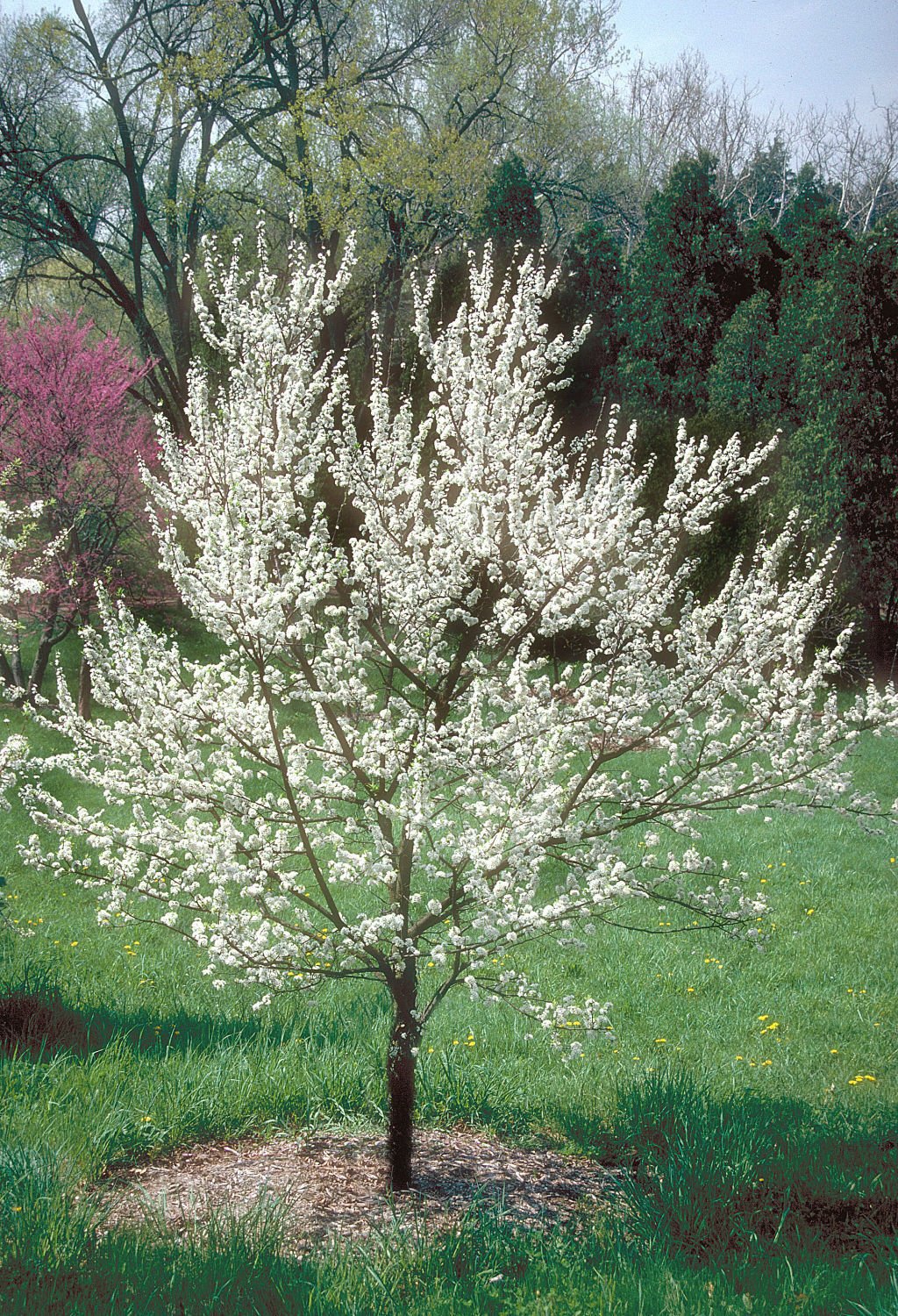
American Plum
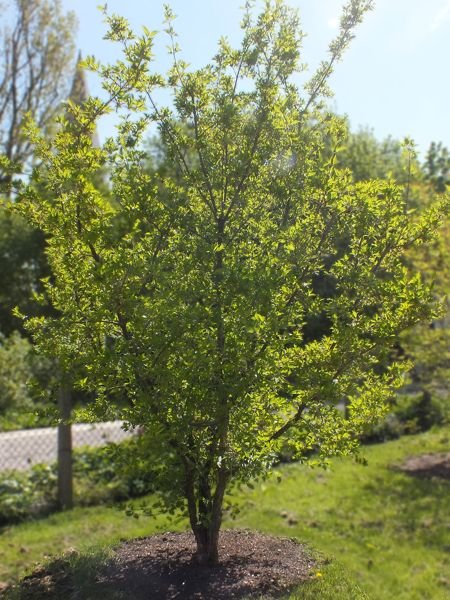
Cornelian Cherry Dogwood
Elections are a crucial part of global politics, influencing the direction of nations, shaping international relations, and determining the balance of power across continents. In an interconnected world, electoral outcomes do not merely impact domestic affairs; they also have far-reaching consequences on trade agreements, military alliances, diplomatic relations, and economic stability. The intersection of national elections and global politics has become more evident than ever, with the rise of digital campaigning, foreign influence, and shifting political ideologies across regions. In this article, we explore the complexities of election politics on a global scale, analyzing major elections, international implications, key political movements, and the role of technology in shaping modern governance. Elections serve as the mechanism through which governments are formed and political power is distributed. Their importance lies in: Representation: Citizens elect leaders who represent their interests and values in government. Accountability: Leaders are held responsible for their actions, knowing they can be voted out if they fail to meet expectations. Public Participation: Encourages civic engagement and ensures that diverse voices contribute to governance. Legitimacy: Establishes the credibility of governments, reinforcing stability and trust in institutions. In this article, we explore the complexities of election politics on a global scale, analyzing major elections, international implications, key political movements, and the role of technology in shaping modern governance. Elections serve as the mechanism through which governments are formed and political power is distributed. Their importance lies in. Major Elections That Shape Global Politics In this article, we explore the complexities of election politics on a global scale, analyzing major elections, international implications, key political movements, and the role of technology in shaping modern governance. Elections serve as the mechanism through which governments are formed and political power is distributed. Their importance lies in. You Might Be Interested In All Posts Politics The Role of Media in Shaping Political Narratives Behind the Scenes of International Political Deals The Truth About Political Power and Influence How Modern Elections Shape the Future The Hidden Forces Behind Global Political Shifts In this article, we explore the complexities of election politics on a global scale, analyzing major elections, international implications, key political movements, and the role of technology in shaping modern governance. Elections serve as the mechanism through which governments are formed and political power is distributed. Their importance lies in. With globalization, national elections are no longer isolated events; foreign governments, corporations, and organizations often play a role in shaping. – The Royal Times In this article, we explore the complexities of election politics on a global scale, analyzing major elections, international implications, key political movements, and the role of technology in shaping modern governance. Elections serve as the mechanism through which governments are formed and political power is distributed. Their importance lies in. In this article, we explore the complexities of election politics on a global scale, analyzing major elections, international implications, key political movements, and the role of technology in shaping modern governance. Elections serve as the mechanism through which governments are formed and political power is distributed. Their importance lies in: In this article, we explore the complexities of election politics on a global scale, analyzing major elections, international implications, key political movements, and the role of technology in shaping modern governance. Elections serve as the mechanism through which governments are formed and political power is distributed. Their importance lies in: Digital Propaganda and Cyber Warfare In this article, we explore the complexities of election politics on a global scale, analyzing major elections, international implications, key political movements, and the role of technology in shaping modern governance. Elections serve as the mechanism through which governments are formed and political power is distributed. Their importance lies in: Technology has transformed the way elections are conducted and how political campaigns are run. From digital voting systems to AI-driven analytics, the role of technology in elections cannot be ignored. In this article, we explore the complexities of election politics on a global scale, analyzing major elections, international implications, key political movements, and the role of technology in shaping modern governance. Elections serve as the mechanism through which governments are formed and political power is distributed. Their importance lies in:

Pecan
Elections are a crucial part of global politics, influencing the direction of nations, shaping international relations, and determining the balance of power across continents. In an interconnected world, electoral outcomes do not merely impact domestic affairs; they also have far-reaching consequences on trade agreements, military alliances, diplomatic relations, and economic stability. The intersection of national elections and global politics has become more evident than ever, with the rise of digital campaigning, foreign influence, and shifting political ideologies across regions. In this article, we explore the complexities of election politics on a global scale, analyzing major elections, international implications, key political movements, and the role of technology in shaping modern governance. Elections serve as the mechanism through which governments are formed and political power is distributed. Their importance lies in: Representation: Citizens elect leaders who represent their interests and values in government. Accountability: Leaders are held responsible for their actions, knowing they can be voted out if they fail to meet expectations. Public Participation: Encourages civic engagement and ensures that diverse voices contribute to governance. Legitimacy: Establishes the credibility of governments, reinforcing stability and trust in institutions. In this article, we explore the complexities of election politics on a global scale, analyzing major elections, international implications, key political movements, and the role of technology in shaping modern governance. Elections serve as the mechanism through which governments are formed and political power is distributed. Their importance lies in. Major Elections That Shape Global Politics In this article, we explore the complexities of election politics on a global scale, analyzing major elections, international implications, key political movements, and the role of technology in shaping modern governance. Elections serve as the mechanism through which governments are formed and political power is distributed. Their importance lies in. You Might Be Interested In All Posts Politics The Role of Media in Shaping Political Narratives Behind the Scenes of International Political Deals The Truth About Political Power and Influence How Modern Elections Shape the Future The Hidden Forces Behind Global Political Shifts In this article, we explore the complexities of election politics on a global scale, analyzing major elections, international implications, key political movements, and the role of technology in shaping modern governance. Elections serve as the mechanism through which governments are formed and political power is distributed. Their importance lies in. With globalization, national elections are no longer isolated events; foreign governments, corporations, and organizations often play a role in shaping. – The Royal Times In this article, we explore the complexities of election politics on a global scale, analyzing major elections, international implications, key political movements, and the role of technology in shaping modern governance. Elections serve as the mechanism through which governments are formed and political power is distributed. Their importance lies in. In this article, we explore the complexities of election politics on a global scale, analyzing major elections, international implications, key political movements, and the role of technology in shaping modern governance. Elections serve as the mechanism through which governments are formed and political power is distributed. Their importance lies in: In this article, we explore the complexities of election politics on a global scale, analyzing major elections, international implications, key political movements, and the role of technology in shaping modern governance. Elections serve as the mechanism through which governments are formed and political power is distributed. Their importance lies in: Digital Propaganda and Cyber Warfare In this article, we explore the complexities of election politics on a global scale, analyzing major elections, international implications, key political movements, and the role of technology in shaping modern governance. Elections serve as the mechanism through which governments are formed and political power is distributed. Their importance lies in: Technology has transformed the way elections are conducted and how political campaigns are run. From digital voting systems to AI-driven analytics, the role of technology in elections cannot be ignored. In this article, we explore the complexities of election politics on a global scale, analyzing major elections, international implications, key political movements, and the role of technology in shaping modern governance. Elections serve as the mechanism through which governments are formed and political power is distributed. Their importance lies in:
