Root and Canopy
The Premier Network for Holisic Homesteaders
- Home
- /
- Field Guide
- /
- Paw Paw
Paw Paw (Asimina triloba)
Tree Facts
Foliage Persistence: Deciduous
Sexual Expression: Perfect to partially self-incompatible; cross-pollination enhances fruit set
Lifespan: Typically 40–60 years; some individuals up to 80 years
Growth Rate: Moderate
Life Cycle: Perennial
Pollination: Insect-pollinated, mainly by flies and beetles (sapromyophily)
Bloom Period: Mid to late spring (April–May)
Ecology and Habitat
Habitat: Understory tree in rich, mesic hardwood forests, floodplains, and ravines
Soil Preference: Moist, well-drained, slightly acidic to neutral soils
Water Requirements: Moderate; tolerates short-term flooding
Sun Requirements: Full sun to partial shade (fruiting best in full sun)
Temperature Needs: Hardy to USDA Zones 5–8 (−25 to +32 °C)
Tolerances: Drought-tolerant once established; sensitive to prolonged flooding and salinity
Establishment: Slow-growing initially; spreads clonally via root suckers
Range: Eastern and Midwestern U.S. — from New York to Florida, west to Nebraska and Texas
Conservation Status: Least Concern (IUCN); stable populations
Management & Propagation
Propagation: By seed (requires cold stratification 90–120 days at 4°C), root suckers, or grafting for superior cultivars
Pests/Diseases: Resistant to most pests; minor issues include pawpaw peduncle borer and zebra swallowtail larvae (host species)
Management: Prefers partial shade when young; pruning rarely needed except for shape and air circulation
Uses & Toxicity
Practical Uses: Edible fruit used in desserts, ice cream, and brewing; wood used locally for tool handles and small crafts
Medicinal Uses: Traditional uses include treatment for fever and lice; bark and seeds contain annonaceous acetogenins with antitumor potential
Toxicity: Unripe fruit and seeds contain acetogenins which can be toxic if ingested in quantity
History & Folklore
History/Folk Lore: Consumed by Indigenous peoples and early settlers; Thomas Jefferson cultivated pawpaw at Monticello. Lewis and Clark’s expedition noted pawpaw as a vital food source.
Symbolism: Represents self-reliance and hidden value—modest tree, exceptional fruit.
Similar Species & Look-alikes
Similar Species: Asimina parviflora (small-flowered pawpaw) — smaller leaves and flowers.
Lookalikes: Young black gum (Nyssa sylvatica) or persimmon (Diospyros virginiana)—distinguished by pawpaw’s large tropical-like leaves.
Key References:
-
Callaway, M. B. (1990). The Pawpaw — Asimina triloba (L.) Dunal. University of Kentucky.
-
Peterson, R. N. (1991). HortScience, 26(5), 431–435.
-
Layne, D. R. (1996). Pawpaw (Asimina triloba): A new fruit crop for temperate regions. Fruit Varieties Journal, 50(1), 64–68.
-
Pomper, K. W. et al. (2009). Pawpaw: A “tropical” fruit for temperate climates. HortTechnology, 19(2), 454–459.
-
Hartmann, H. T., & Kester, D. E. (2011). Plant Propagation: Principles and Practices.
-
Kral, R. (1960). A Revision of Asimina and Deeringothamnus (Annonaceae). Brittonia, 12(4), 233–278.
Taxonomy
Class: Magnoliopsida (Dicotyledons)
Subclass: Magnoliidae
Order: Magnoliales
Family: Annonaceae (Custard-apple family)
Genus: Asimina Adans.
Species: Asimina triloba (L.) Dunal
Etymology: The genus name Asimina is derived from the Native American (probably Miami-Illinois) word assimin meaning “pawpaw” or “false banana.” The species epithet triloba refers to the plant’s three-lobed calyx or trifoliate leaf arrangement.
Other Common Names: American papaw, pawpaw, paw-paw, Custard Apple, Appalachian banana, Dog banana.
Morphology and Structure
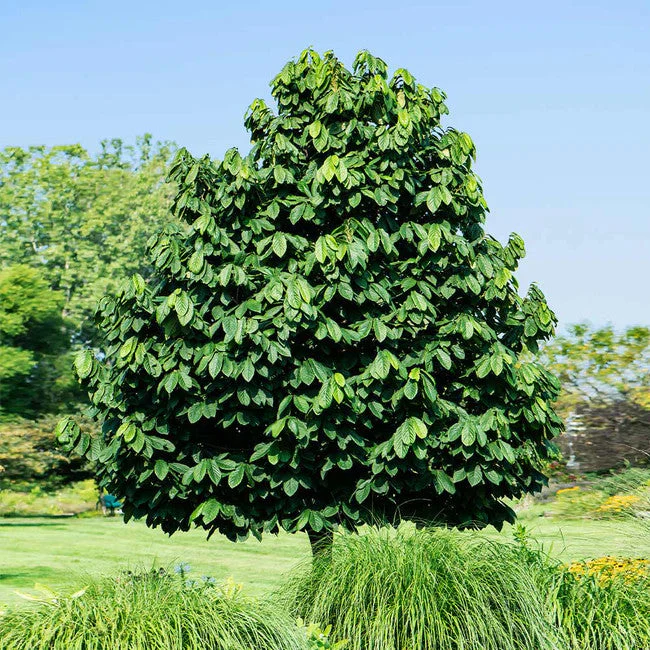
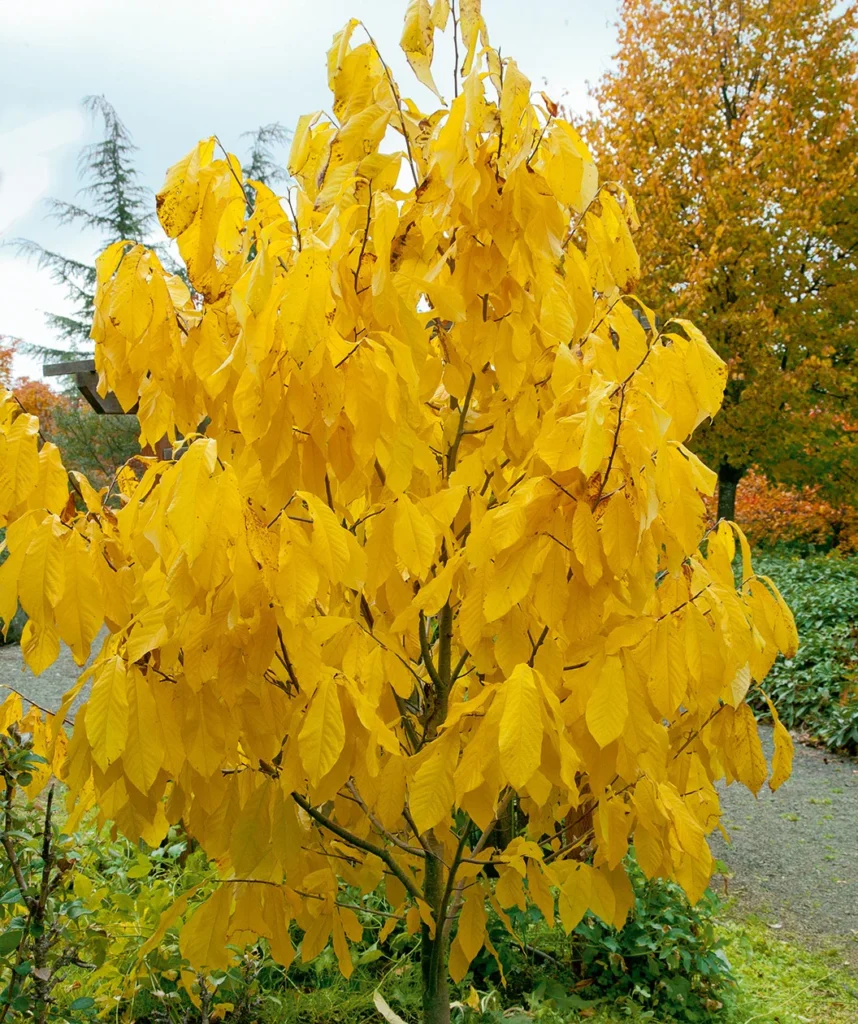
Overall Shape: Pyramidal to rounded in youth; spreading crown with age
Mature Height: 15–30 ft. (4.5–9 m), occasionally up to 40 ft. (12 m)
Mature Spread: 10–20 ft. (3–6 m)
Mature Trunk Diameter: Up to 12 in. (30 cm)
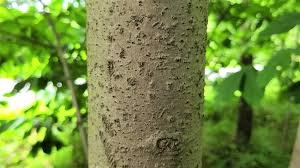
Bark: Smooth and gray-brown when young, becoming slightly fissured with age
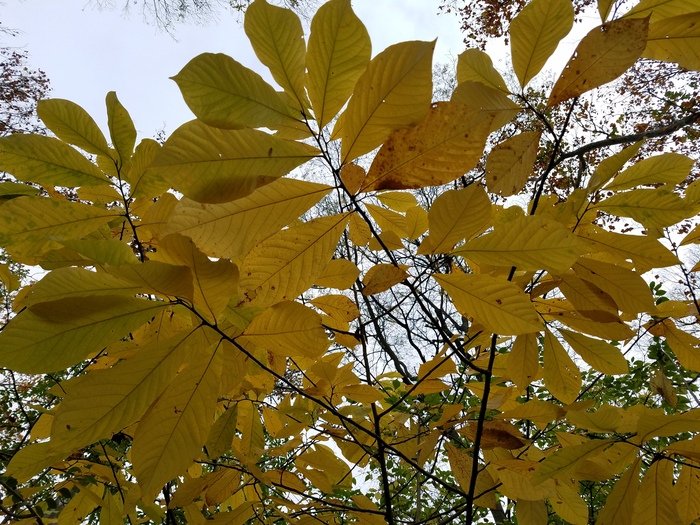
Leaves: Simple, alternate, oblong to obovate (15–30 cm long); emit a distinct yeasty odor when crushed; bright green above, paler beneath; yellow in fall
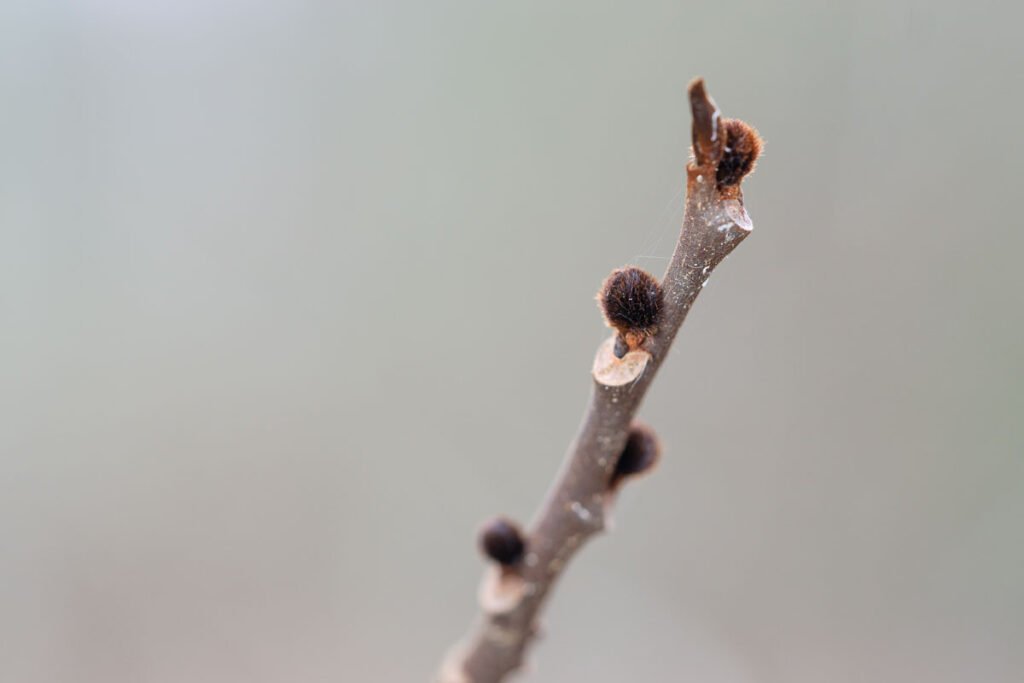
Buds: Naked, brown, conical
Twigs: Brown, stout, with rusty pubescence when young
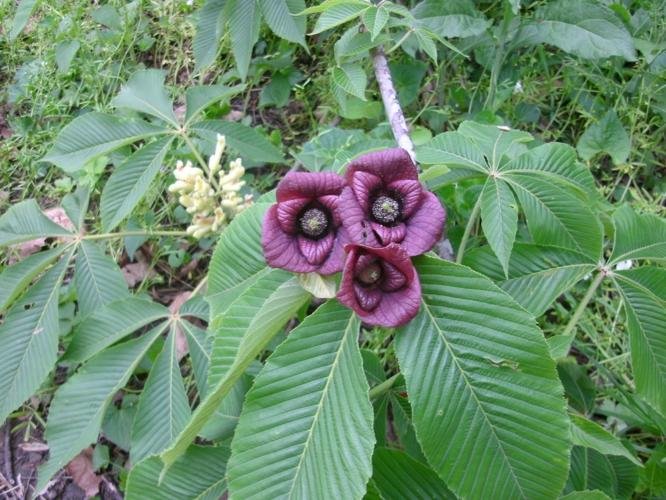
Flowers: Solitary, maroon to dark purple, 2–5 cm diameter; three sepals, six petals; malodorous to attract pollinators
Bloom Time: April–May
Pollination: Insect (flies, beetles)
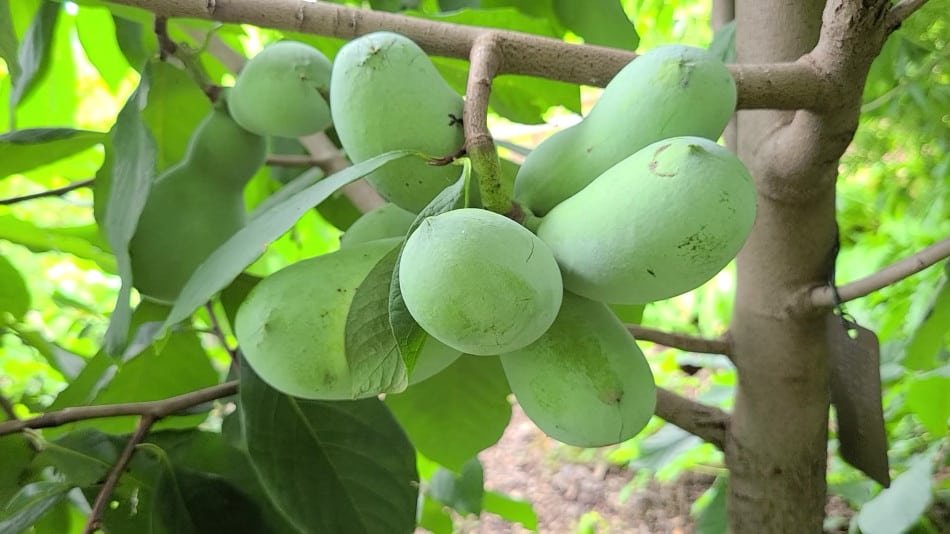
Fruit: Large, fleshy berry; soft custard-like pulp with several brown seeds
Fruit Shape: Obovate to cylindrical, 5–15 cm long
Fruit Color: Green turning yellow or brownish at maturity
Fruit Maturation: Late summer to early fall (August–October)

The Premier Network for The Holistic Homesteader
- All Posts
- Arboriculture
- Botany
- Field Guide
- Flowering
- Grains
- Grass
- Herb
- Homestead
- Horticulture
- Lifestyle
- Mycology
- Shrub
- Tree
- Back
- Plant Biology
- Plant Identification
- Pedology
- Planting & Transplanting
- Pruning
- Plant Diagnostics
- Plant Treatment
- Tree Risk Assessment
- Safe Climbing & Rigging
- Forest Management
- New Page 1
First Sub Title
- New Page 2
Second Sub Title
- New Page 3
Third Sub Title
- New Page 1
First Sub Title
- New Page 2
Second Sub Title
- New Page 3
Third Sub Title
- New Page 1
First Sub Title
- New Page 2
Second Sub Title
- New Page 3
Third Sub Title